Services
Vinyl wraps: a new color without new paint
Color change, satin, matte, gloss, chrome and color-shift films. A full transformation that protects the paint underneath and comes off when you're ready.
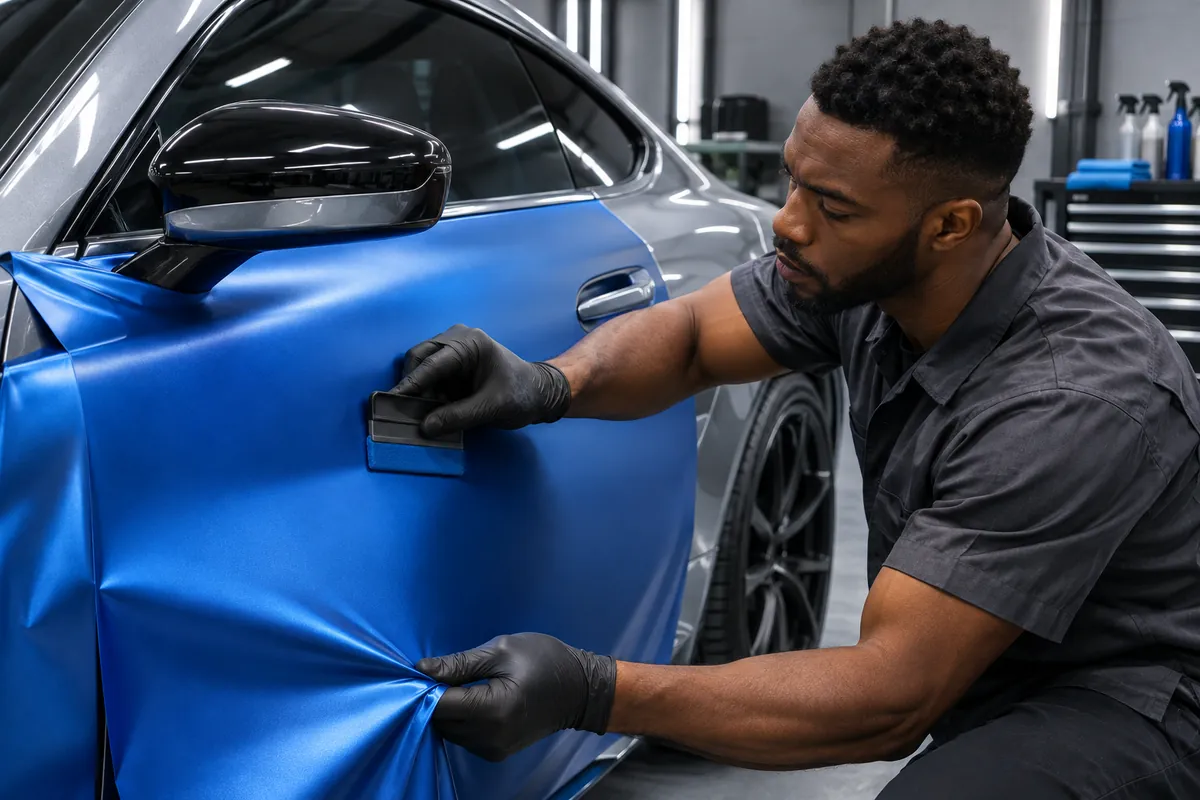
A vinyl wrap covers your car's painted panels in a thin, flexible film. It changes the color and finish completely, protects the factory paint underneath from sun and light scratches, and can be removed later by a professional. For many owners, that's the appeal: a dramatic new look that doesn't permanently change the car.
Finishes to choose from
Gloss
Looks like fresh paint. The most forgiving finish to maintain.
Satin
A soft sheen between gloss and matte. Modern and very popular.
Matte
Flat and bold. Needs matte-safe soaps; never wax or polish it.
Chrome & metallic
Mirror and brushed-metal looks. Show-stopping, and the hardest films to install.
Color shift
Changes color with the viewing angle. Great for show cars.
Textured
Carbon fiber, brushed aluminum and other textures, often used for accents.
Full, partial or accents
- Full wrap: every painted exterior panel. Ask whether door jambs are included; wrapping them costs more but hides the original color when the doors are open.
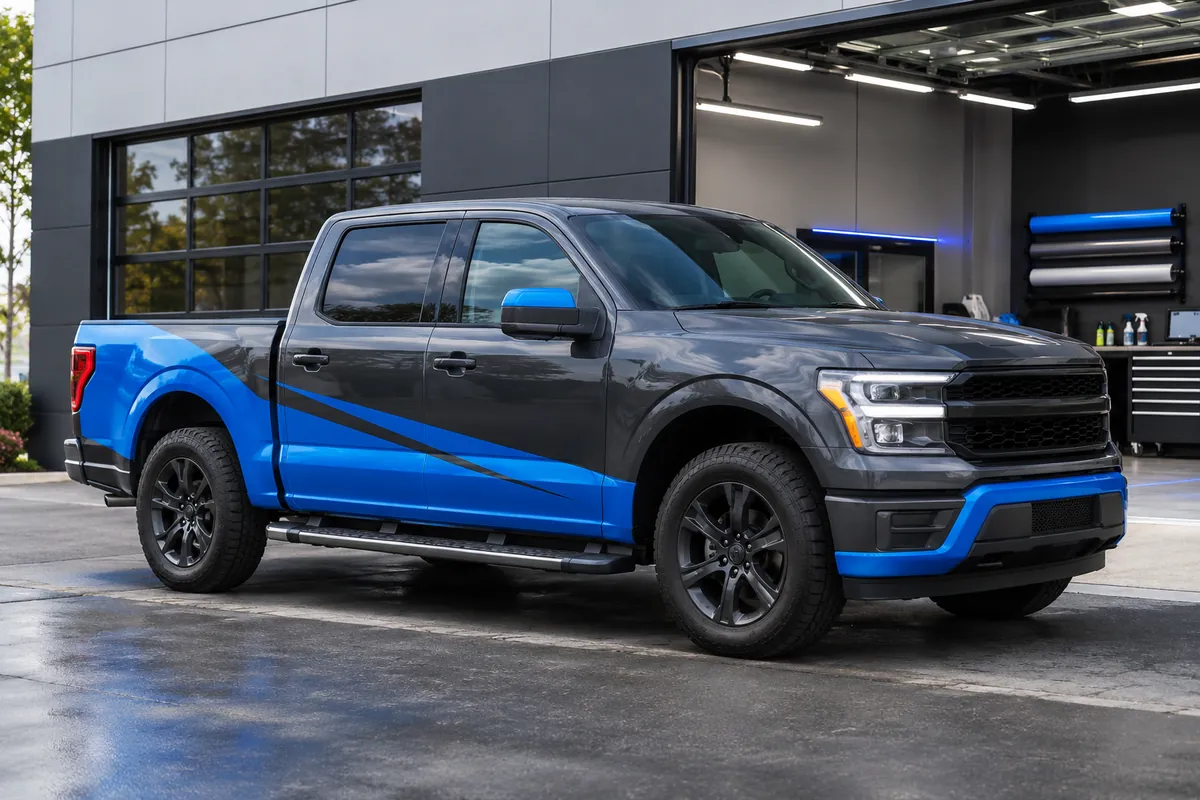
- Partial wrap: hood, roof, mirrors, trunk or a two-tone design. A big change for a smaller budget.
- Accents and chrome delete: covering the chrome trim, badges and window surrounds in black or a color is one of the most popular small upgrades.
How a wrap is installed
- Inspection. Wraps don't hide damaged paint. Chips, peeling clear coat and dents should be addressed first, or they'll show through or pull up when the film is removed.
- Deep cleaning and prep. Washing, decontamination and wiping panels with an alcohol solution so the adhesive bonds.
- Disassembly. Good installers remove handles, badges, lights and trim where practical, so edges are tucked rather than cut on the paint.
- Application. Film is laid, stretched and squeegeed panel by panel, then post-heated so it holds its shape around curves.
- Cure time. Most installers ask you to avoid washing for about a week while the adhesive sets.
How long a wrap lasts
Quality cast films from major manufacturers often last several years. Lifespan depends on the film, the color (some specialty films have shorter ratings), how much sun the car sees and how it's cared for. Horizontal surfaces like the hood and roof take the most sun and usually wear first. In the Lowcountry's sun and humidity, garage parking and regular gentle washing make a real difference.
Caring for a wrap
- Hand wash with a pH-neutral soap and soft microfiber. Avoid brush-style car washes.
- Pressure washers are fine at a distance; never blast edges or seams.
- Clean bird droppings, bugs and tree sap quickly.
- Matte and satin: use matte-specific products. No waxes, polishes or "shine" sprays.
- A ceramic coating made for vinyl can make a wrap easier to clean. See ceramic coating.
What affects the price
Vehicle size and complexity (bumpers with deep recesses take longer), the film (chrome and color-shift cost more), full vs. partial coverage, door jambs, removal of an old wrap, and any paint repair needed first. Ask for a written quote that names the film brand and line, the coverage, and the warranty on both film and labor.
Updated November 23, 2026. General information; your installer will confirm the exact products, coverage and warranty in writing.